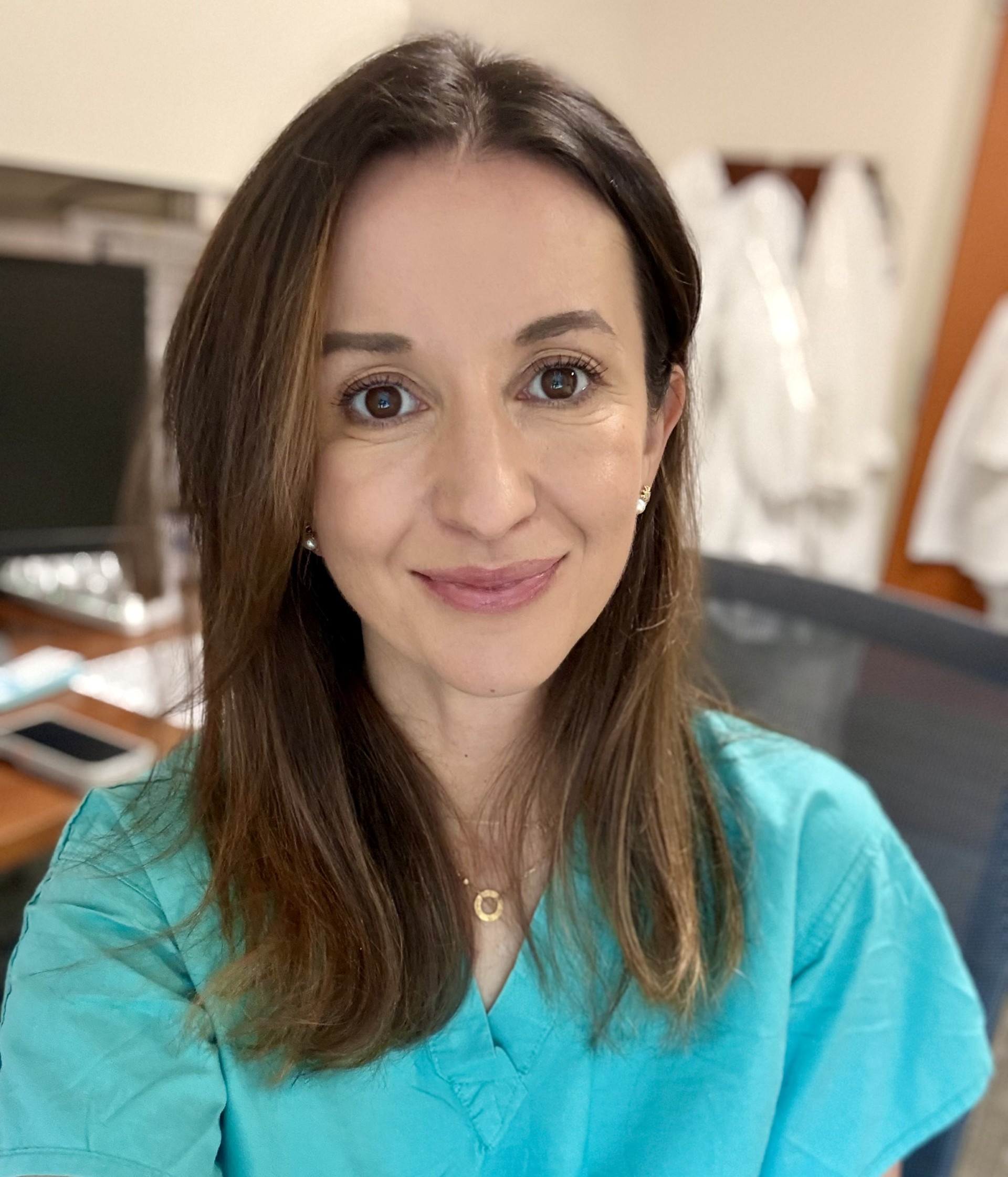
Our member, Dr. Sanda Vujnić, prepared an article on the occasion of September 13, World Sepsis Day, with the aim of raising public awareness about this serious and often overlooked health threat.
BHAAAS members and the Knowledge for Health platform actively follow current topics, strive to be available to the media and the public, and contribute with their expertise to improving citizens’ awareness. We thank them for their dedication and support.
Read the full article by Dr. Vujnić below:
World Sepsis Day: The Silent Killer That Threatens Everyone
September 13 is marked worldwide as World Sepsis Day, a disease that experts call a “silent killer” because it can affect anyone and develop from a simple infection. Sepsis, as doctors warn, is the most severe complication of an infection—bacterial, viral, or fungal—and one of the leading causes of death and disability.
“Sepsis is a complication of infection, but also its most dangerous form, leading to systemic dysfunction of the body. When the immune system, instead of protecting us, triggers an excessive and uncontrolled reaction, it causes organ damage and life-threatening consequences,” explains Dr. Sanda Vujnić, pulmonologist and critical care specialist.
Sepsis develops gradually, as a progression of infection, and in the most severe cases leads to septic shock, a dramatic drop in blood pressure, lack of blood flow to vital organs, and death. “One of the most alarming symptoms is a sudden drop in blood pressure accompanied by rapid breathing, decreased oxygen in the blood, fever, weakness, and confusion. When these signs appear, time becomes crucial,” emphasizes Dr. Vujnić.
High-risk groups are particularly vulnerable to sepsis. These include people over 65, patients with chronic diseases such as diabetes, cancer, and kidney disease, as well as those whose immune systems are weakened by therapies or long-term hospitalizations. “For people with weakened immunity, sepsis can progress faster and more aggressively, as their bodies lack the strength to defend vital functions,” says Dr. Vujnić.
She reminds us that the COVID-19 pandemic was a global lesson on the dangers of sepsis. “Most deaths during the pandemic were actually outcomes of viral sepsis. This proves how critical modern vaccines and rapid diagnostic tests were in saving lives. COVID-19 showed us that sepsis is a much broader threat than previously believed.”
The greatest challenge, according to her, is early recognition. “Every hour of delay in diagnosis and treatment significantly reduces the chances of survival. That’s why early identification and timely therapy are key. This includes antibiotics, intravenous fluids, and drugs that stabilize blood pressure.”
Prevention, she stresses, is equally important. Vaccination, proper hygiene, regular check-ups, and quick response to symptoms are the basic measures. “Many people do not realize that the outcome of sepsis treatment affects not only the individual and their family, but also the healthcare system of an entire country. In developed healthcare systems, there are protocols for rapid response, while in countries like Bosnia and Herzegovina, sepsis is still not recognized as a public health priority. This is a serious issue.”
Unfortunately, according to data from the European Sepsis Alliance, only a small number of European countries have included sepsis in their national healthcare programs. Bosnia and Herzegovina, according to 2023 data, is still not among them.
Data from the annual health statistics of the Federation of Bosnia and Herzegovina, published by the FBiH Institute of Public Health, show that in 2022 there were 36 reported cases of sepsis in the Federation. The number of reported cases has increased in the following two years, with 101 cases in 2023 and 160 cases in 2024.
Dr. Sanda Vujnić, who graduated from Ross University School of Medicine in 2008 and specialized in critical care in the United States, is now a member of the expert team of the platform Knowledge for Health(www.znanjemdozdravlja.com). Her message is clear:
“Sepsis does not discriminate and can affect anyone. It is up to us to be aware of the warning signs, to react on time, and to work together on prevention and treatment.”
 English
 Bosanski