
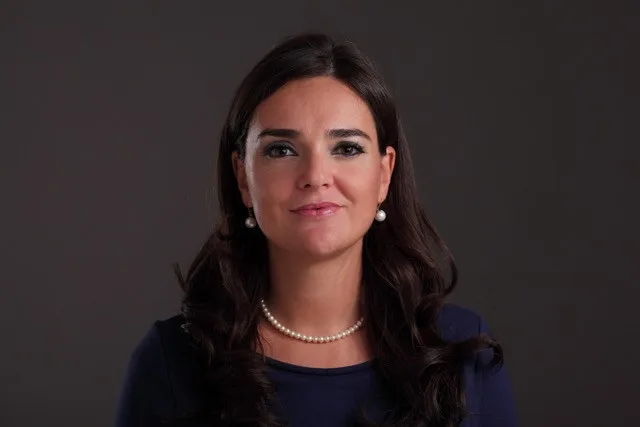
The story of Dunja Aksentijević Ricciarelli shows how individuals from the Bosnian-Herzegovinian diaspora, through their knowledge, experience, and dedication, can spark meaningful change in science in Bosnia and Herzegovina. Although she has lived and worked in the United Kingdom for more than two decades, Dunja has never broken her connection with BiH. On the contrary—she has actively nurtured it.
“My connection with Bosnia was never broken. I always looked for ways to make what I do and learn useful here as well,” Dunja emphasizes.
Dunja Aksentijević Ricciarelli is a professor and leading researcher of cardiovascular physiology and metabolism at Queen Mary University in London, active member of BHAAAS and a scientist with a long-standing career in the United Kingdom, has built a strong bridge between the international scientific community and experts in BiH. During the COVID-19 pandemic, she established significant collaboration with the University of Sarajevo and researchers from the Jenner Institute at the University of Oxford, resulting in a joint publication in the Journal of Infection and Public Health. This opened the door to even larger projects that followed.
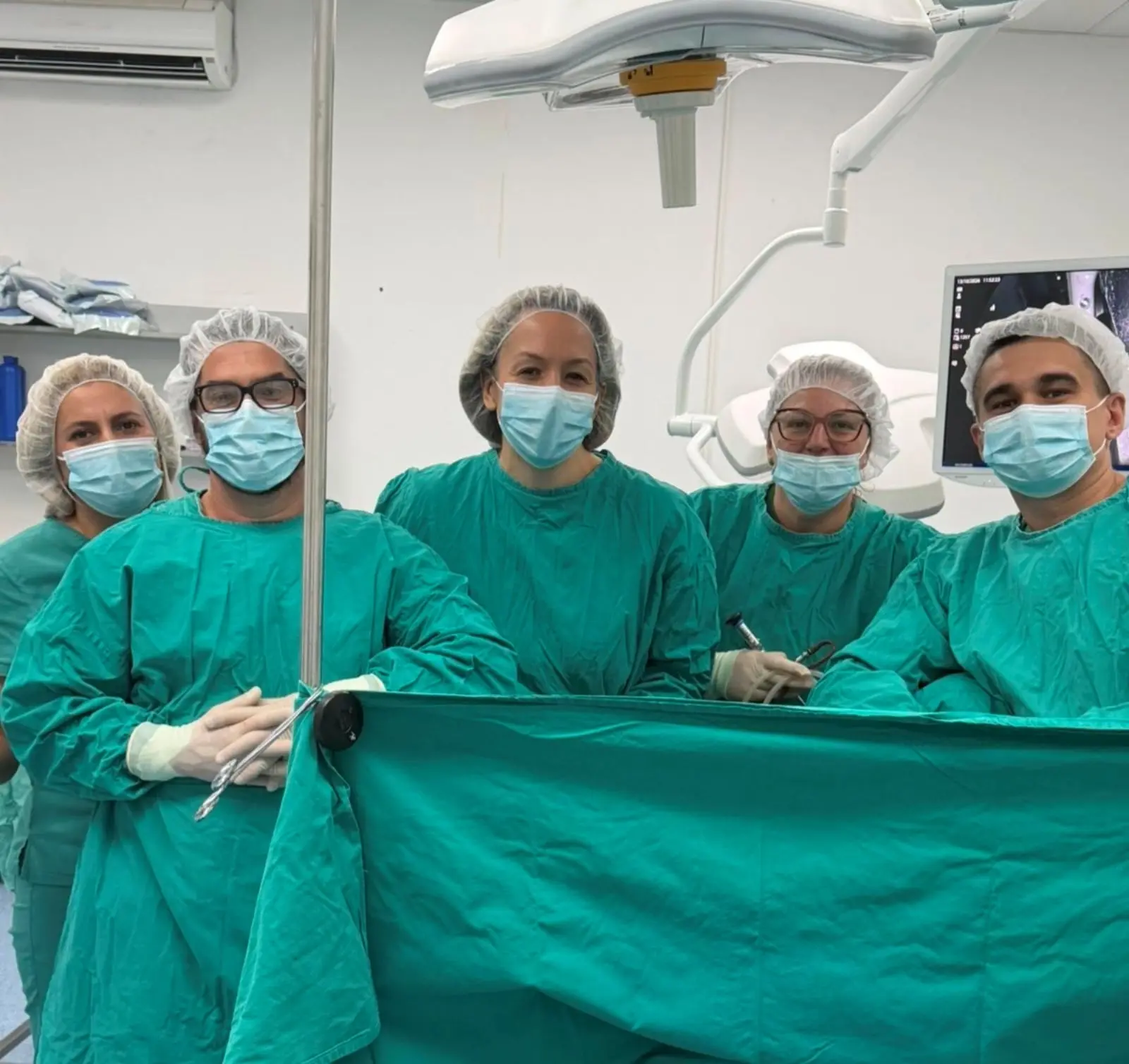
Particularly important is her collaboration with Dr. Ivana Iveljić, an interventional cardiologist from the University Clinical Center Tuzla. Together, they launched pioneering research in the field of cardio-oncology—the first of its kind in Bosnia and Herzegovina.
The study included more than 1,200 patients receiving 5-fluorouracil or capecitabine chemotherapy, none of whom had previous cardiac pathology. By combining oncological, laboratory and invasive cardiology assessments, the research demonstrated that even in these patients, subclinical coronary circulation damage can occur. This finding opens the door to new monitoring protocols and strengthens cardio-oncology as an emerging clinical field in BiH.
“The greatest value of this work is that it brings real, concrete benefits to patients. Science must have a face and a purpose—and this study has both,” Dunja notes.
For her, contributing to her homeland is both a professional commitment and a personal mission. “Science knows no borders, but love for one’s country of origin remains constant,” she says.
Thanks to the dedication of Dunja Aksentijević Ricciarelli and the commitment of Dr. Ivana Iveljić, Bosnia and Herzegovina today has scientific work that is internationally recognized and opens new opportunities for medical development in the region. This is also a clear example of how BHAAAS, through its diaspora members, strengthens the capacities of domestic institutions and creates space for new generations of researchers.
Their collaboration continues—through new studies, joint publications, networking, and expanding international partnerships. This shows that BiH can be an active part of the global scientific community when expertise, dedication, and vision come together without borders.
This project stands as proof that knowledge truly can return home—and that when it does, it can produce results that change patients’ lives, advance clinical practice, and place Bosnia and Herzegovina firmly on the scientific map of the world.
 English
 Bosanski