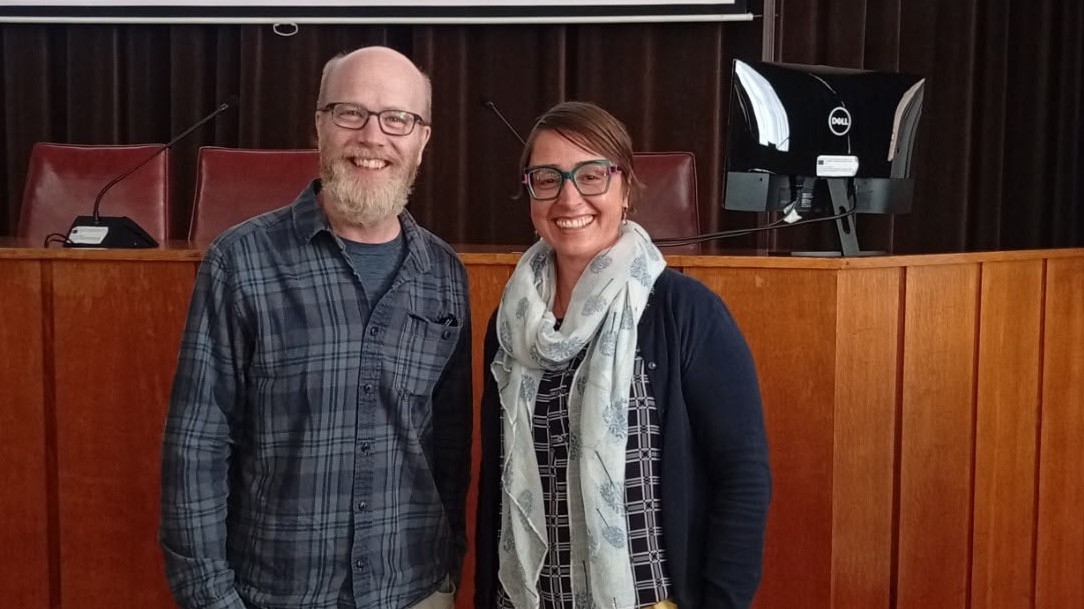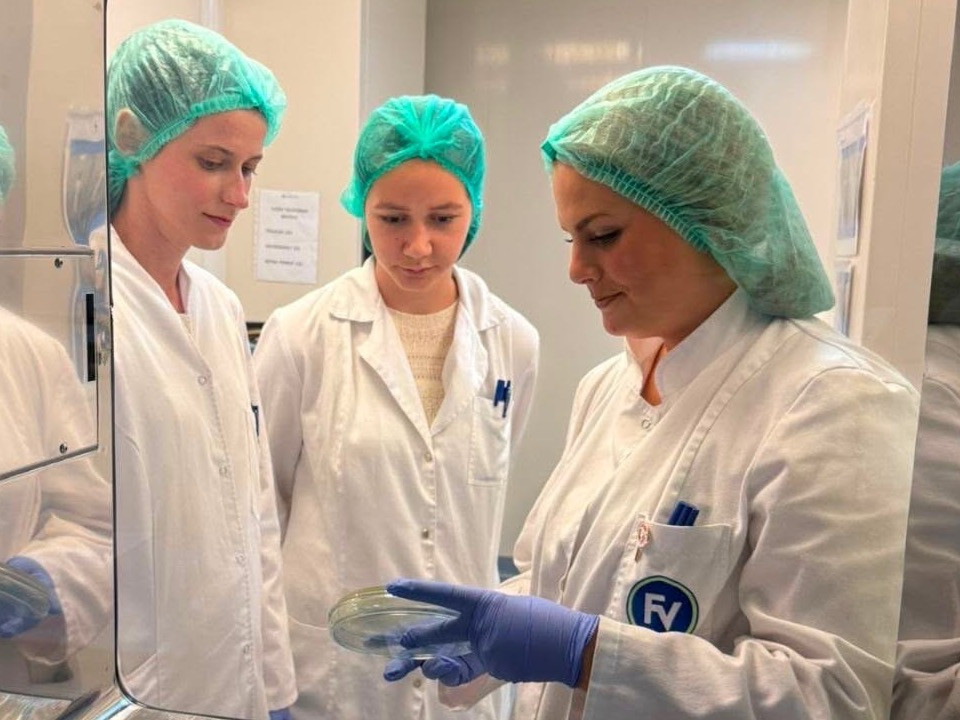
When it comes to professional development opportunities for young people in Bosnia and Herzegovina, the search often begins beyond the country's borders. The BHAAAS Internship Program for biology students presents a different picture: high-quality practical experience, modern laboratory methods, and dedicated mentors are already available within institutions in Bosnia and Herzegovina. What is needed is to recognize these resources, connect them, and make them accessible to students.
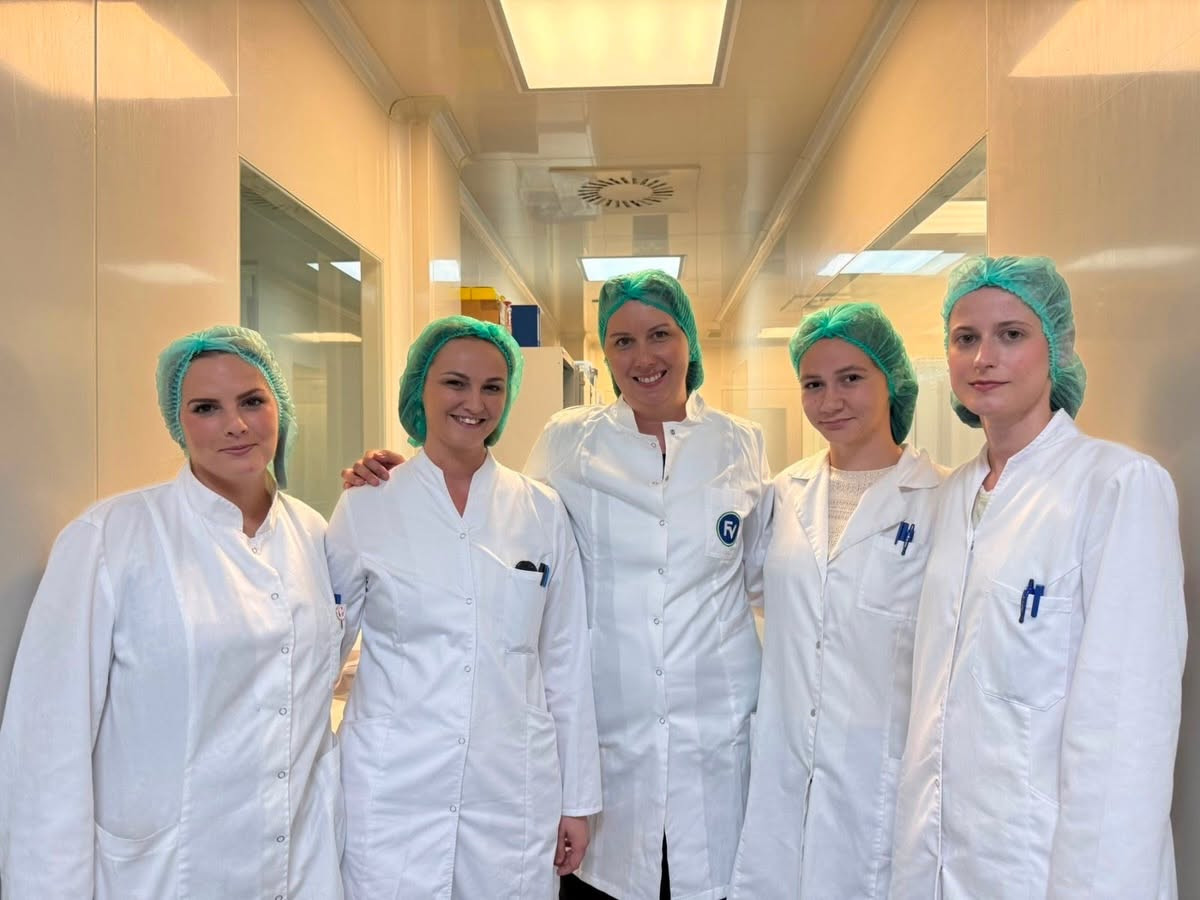
Through the program, four female biology students spent four weeks each in partner laboratories in Tuzla and Sarajevo. At the Department of Pathology of the University Clinical Center Tuzla, under the mentorship of Prof. Dr. Ermina Iljazović, the internship was completed by Ivana Iliktarević, a student at the University of Banja Luka, and Neira Prcić, a student at the International University of Sarajevo. At the Quality Control Laboratory of Farmavita BiH in Sarajevo, Milica Čemerdžić and Enisa Šutković, students at the University of Sarajevo, gained practical experience under the mentorship and professional supervision of Naida Spahović.
The program offered students something that lectures and textbooks alone cannot fully provide: direct exposure to real laboratory processes, professional responsibilities, and the diverse career opportunities available to biologists after graduation.
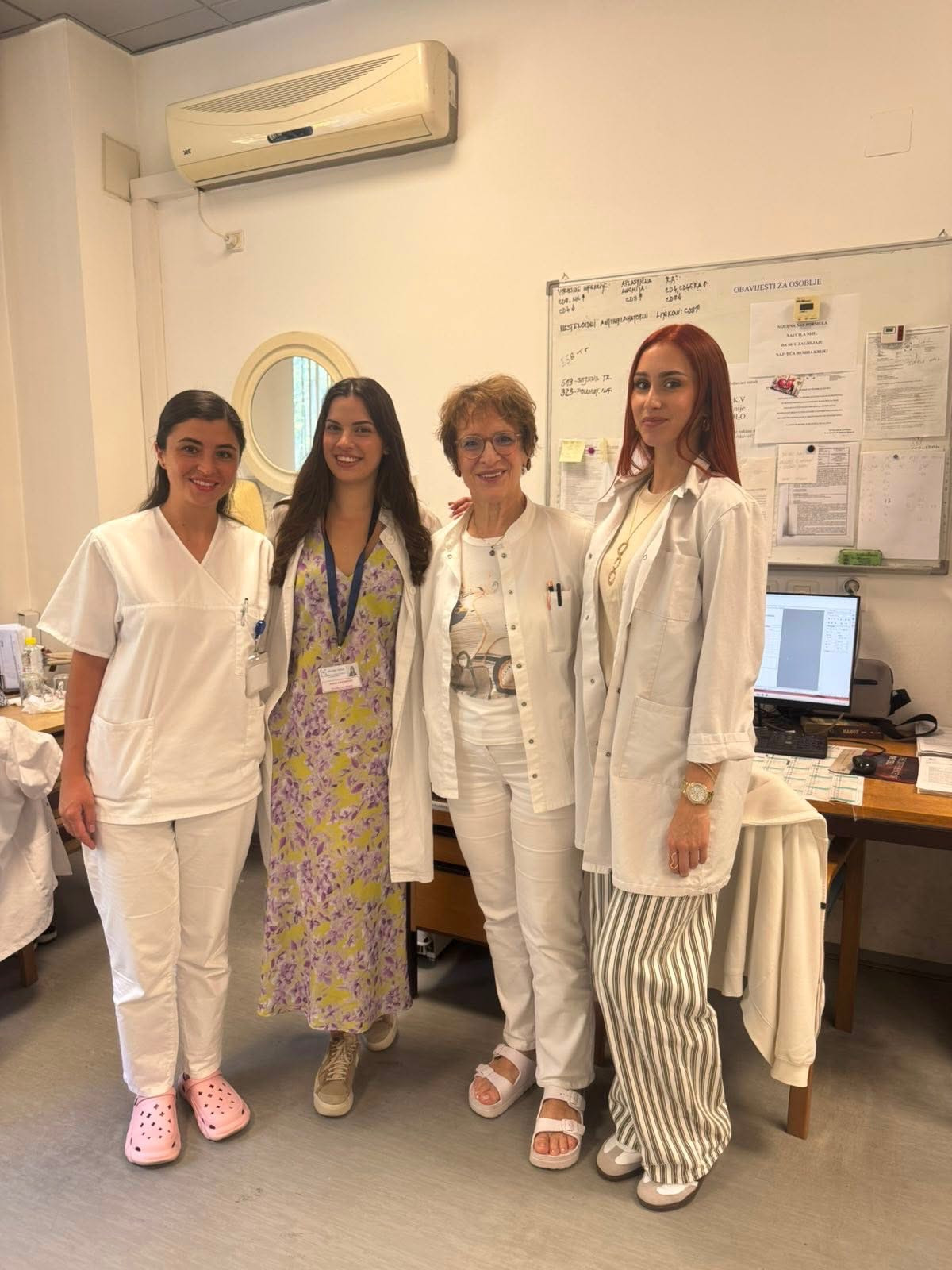
The Department of Pathology at the University Clinical Center Tuzla provided students with an opportunity to explore a wide range of disciplines, including conventional pathology, cytology, immunohistochemistry, molecular pathology, cytogenetics, and flow cytometry.
"Theoretical knowledge is an essential foundation, but it is only in a real laboratory environment that students can see how this knowledge is applied in practice. We strive to give them the opportunity to become familiar with different laboratory methods, observe daily operations, and, wherever possible, perform certain procedures themselves. In this way, they gain a better understanding of the importance of laboratory work, the responsibilities it entails, and its role in diagnostics," explains Prof. Dr. Ermina Iljazović.
According to her, the diversity of work carried out at the Department helps young biologists recognize the opportunities their profession offers and more easily identify the field in which they wish to continue their education and build their careers.
"Passing on knowledge and experience to younger generations is both our professional and human responsibility. Their curiosity, questions, and enthusiasm remind us how important it is to remain open to new knowledge and to connect the experience of established professionals with the fresh ideas of young people. I am especially pleased when a student discovers a field during their internship that genuinely interests them and in which they can envision their future," adds Prof. Dr. Iljazović.
This experience was particularly valuable for Ivana Iliktarević, who had the opportunity to explore various aspects of laboratory work over the four-week period.
"The program allowed me to observe firsthand what working in a medical laboratory looks like, become familiar with different laboratory techniques, and better understand the role of biologists and other professionals in this field. I would particularly highlight the approachability and expertise of the mentors, their willingness to explain procedures, answer questions, and share their professional experiences," says Iliktarević.
She adds that the internship helped her gain a clearer understanding of the field in which she might pursue her future career and further motivated her to continue developing her knowledge and skills in laboratory science and biology.
Neira Prcić had a similarly positive experience.
"The time I spent at the University Clinical Center Tuzla through the BHAAAS Internship Program was one of the most valuable experiences of my academic journey. What meant the most to me was the opportunity to see how methods and techniques I had previously known only from textbooks are applied in a real working environment. The internship introduced me to areas of biology I had not explored extensively before and sparked a genuine interest in them," says Prcić.
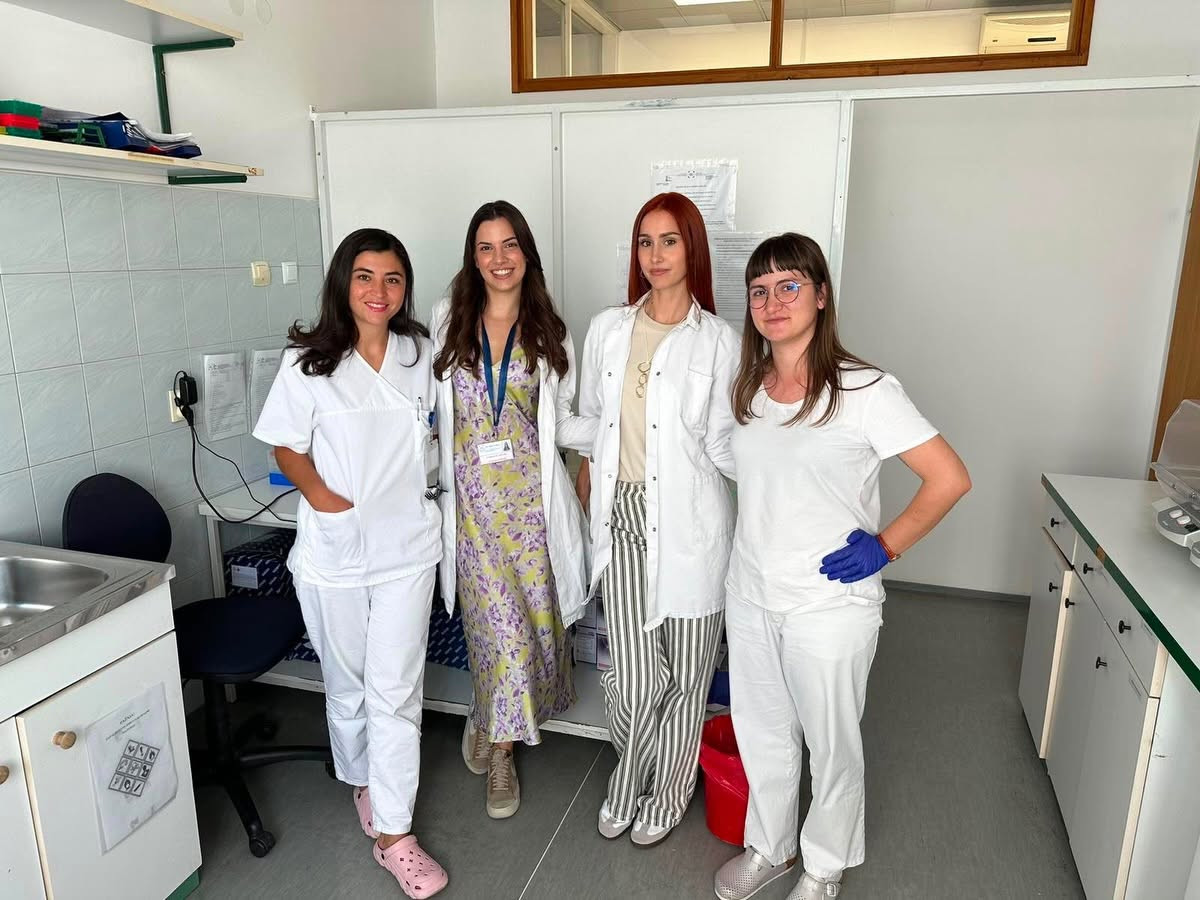
At Farmavita BiH, the students became familiar with the operations of the microbiological quality control laboratory, as well as other parts of the company's system, from production and warehousing to the procedures that ensure the safety and quality of pharmaceutical products.
"Internships in the pharmaceutical industry are extremely important because they allow students to see how the knowledge acquired during their studies is applied in everyday work. They learn how a laboratory operates, how to work according to established procedures, the importance of microbiological testing, and the responsibilities involved in working in the pharmaceutical industry," explains Naida Spahović.
She also emphasizes that mentorship goes beyond simply transferring professional knowledge.
"Its value also lies in encouraging young people to ask questions, remain curious, develop critical thinking and communication skills, and eventually pass their own knowledge on to others. By sharing knowledge, we contribute not only to individual development but also to the future of the entire profession," Spahović points out.
For Milica Čemerdžić, the internship was an opportunity to learn microbiological methods and techniques specific to the pharmaceutical industry that she had not previously had the chance to experience in practice.
"In addition to working in the microbiological laboratory, we became familiar with other quality control departments, as well as the production and warehousing sectors. This gave us a broader understanding of how a pharmaceutical company is organized and operates, and how its different departments are interconnected," explains Čemerdžić.
Through practical tasks ranging from instrument preparation and calibration to the analysis of water, raw materials, and finished products, as well as the identification of isolated microbial strains, she gained insight into the precision, responsibility, and systematic approach required in the pharmaceutical sector.
"In addition to providing me with practical and applicable knowledge, this experience helped me better understand my own professional interests. That is why I would encourage other biology students to apply for the program," says Čemerdžić.
The BHAAAS Internship Program demonstrates that international cooperation does not always have to involve young people leaving Bosnia and Herzegovina or relying exclusively on knowledge and expertise from abroad. Its value can lie precisely in identifying, connecting, and making accessible the resources and capacities that already exist within the country.
Launching initiatives of this kind does not always require large-scale projects or complex systems. What is needed is a clear idea, good organization, well-structured processes, and people willing to open the doors of their institutions. Through this program, BHAAAS successfully brought these elements together, while local experts and laboratories demonstrated just how much they have to offer future biologists.
The next call for applications for the BHAAAS Internship Program for biology students is expected in spring 2027.
The results go beyond four completed internships. The program has helped students gain a clearer understanding of their professional opportunities, enabled mentors to pass their knowledge on to a new generation, and established a model demonstrating that high-quality opportunities for young people can also be created within Bosnia and Herzegovina.
The next call for applications for the BHAAAS Internship Program for biology students is expected in spring 2027.
BHAAAS invites laboratories, healthcare institutions, companies, universities, research centers, and other institutions across Bosnia and Herzegovina to connect with the Academy and become part of the program. By opening their doors to students and involving their experts in mentorship activities, these institutions can directly contribute to the development of a new generation of biologists and the strengthening of local professional and scientific capacities.
Institutions interested in collaborating and participating in the program are encouraged to contact BHAAAS at [email protected].
 English
 Bosanski