Cardiovascular diseases are still the leading cause of death in Bosnia and Herzegovina and the world, and experts warn that the growing frequency of risk factors such as high blood pressure, diabetes, obesity, smoking and physical inactivity represents a serious challenge for health systems. This is precisely why prevention, early disease detection and timely treatment are key steps in reducing premature mortality and improving the quality of life of citizens.
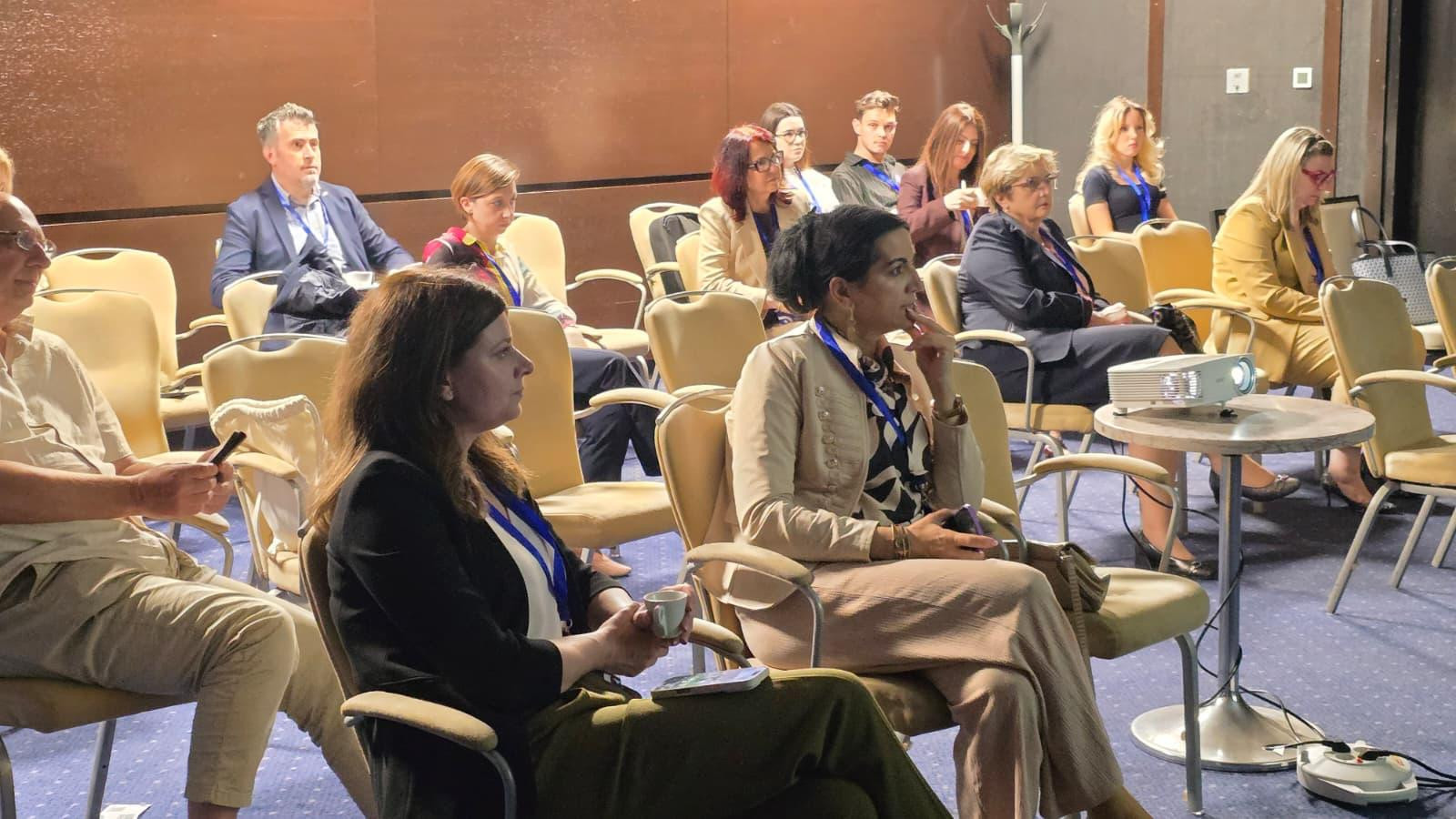
These and other current topics were discussed at the International Cardiology Congress "Multidisciplinary Innovations in Cardiovascular Medicine", held as part of the 17th Day of the Bosnian-Herzegovinian-American Academy of Sciences and Arts (BHAAAS). The congress gathered 27 lecturers from Bosnia and Herzegovina, countries of the region, Europe and the United States of America, providing a platform for education, scientific exchange, professional cooperation and mentoring.
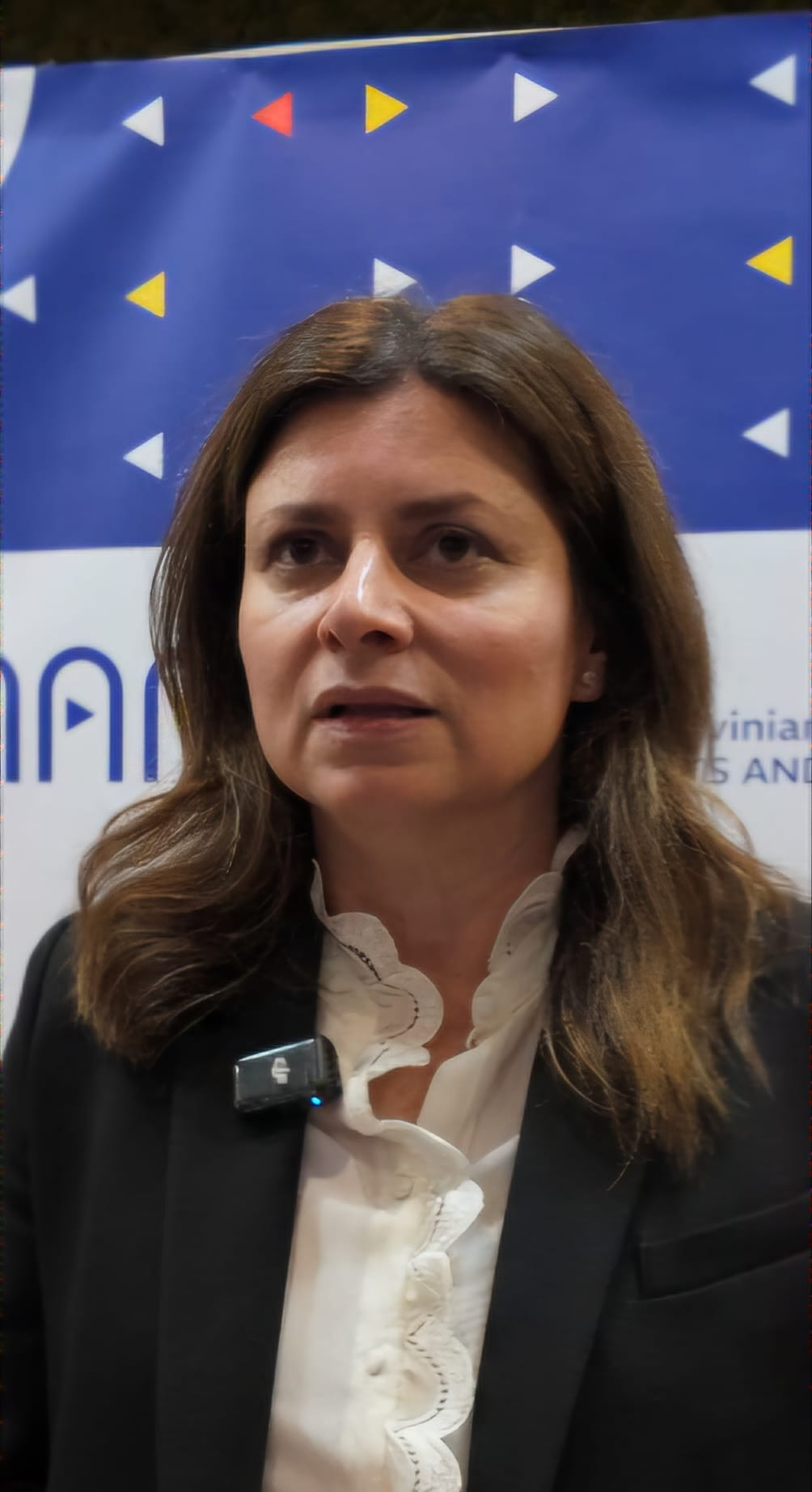
"The program covered the most important areas of modern cardiovascular medicine, including cardiology, cardiac surgery, advanced heart failure, structural interventions, advanced cardiac imaging, precision medicine, prevention and innovative therapeutic approaches," said Dr. Jelena Arnautović, cardiology specialist from the Department of Cardiovascular Medicine at Henry Ford Health, Michigan, USA and the leader of the International Symposium in Cardiology, held as part of the 17th Day of BHAAAS in Sarajevo.
In accordance with the mission of BHAAAS to promote scientific excellence and connect specialists from Bosnia and Herzegovina with the international medical community, special focus is placed on young doctors and residents. Their active participation alongside leading domestic and international experts further strengthened the concept of mentoring and development of future leaders in cardiovascular medicine.
"One of the central topics of the congress was the prevention of cardiovascular diseases, with the emphasis that a large number of heart attacks and strokes can be prevented by timely recognition and control of risk factors. In this context, the concept of Women's Heart Centers was presented, which promotes a systemic approach to the prevention, early detection and treatment of cardiovascular diseases throughout a woman's lifetime," adds Dr. Arnautović.
The participants also discussed responsible and transparent cooperation with the industry, the application of precision medicine in rare cardiomyopathies, and the increasingly important role of advanced diagnostic methods in the personalized approach to treating patients.

Special attention is devoted to improving the availability of modern cardiovascular health care in Bosnia and Herzegovina. The need for earlier recognition of patients with advanced heart failure and their timely inclusion in advanced treatment programs, including mechanical heart support (LVAD) and transplantation, was highlighted. Further development of PCI centers, coordinated STEMI networks and programs for structural heart diseases, including TAVI procedures, which save the lives of a large number of patients, were emphasized as priorities.
The congress was organized in cooperation with BHAAAS, the Clinical Center of the University of Sarajevo (KCUS), ASA Hospital Sarajevo, the Association of Cardiologists of Bosnia and Herzegovina and partner institutions from Bosnia and Herzegovina, including the cantonal hospitals in Zenica, Bihać and Mostar, General Hospital "Prim. dr. Abdulah Nakaš" Sarajevo, as well as collaborators from Serbia, North Macedonia, the United States of America and European academic and clinical centers.
This event once again confirmed that Bosnia and Herzegovina has expertise, knowledge and human resources for the further development of modern cardiovascular medicine.
The message of the congress is clear: Awareness of cardiovascular diseases does not begin in the operating room or the catheterization laboratory, but much earlier - through prevention, education, healthier lifestyle habits and regular preventive examinations. This is precisely where the greatest potential for preserving health and saving lives lies.
 English
 Bosanski