The 17th BHAAAS Days once again confirmed that this conference is one of the most important platforms for the exchange of knowledge and experience, as well as for establishing new professional collaborations among experts from Bosnia and Herzegovina, the region, Europe, the United States of America and the Bosnian-Herzegovinian diaspora.
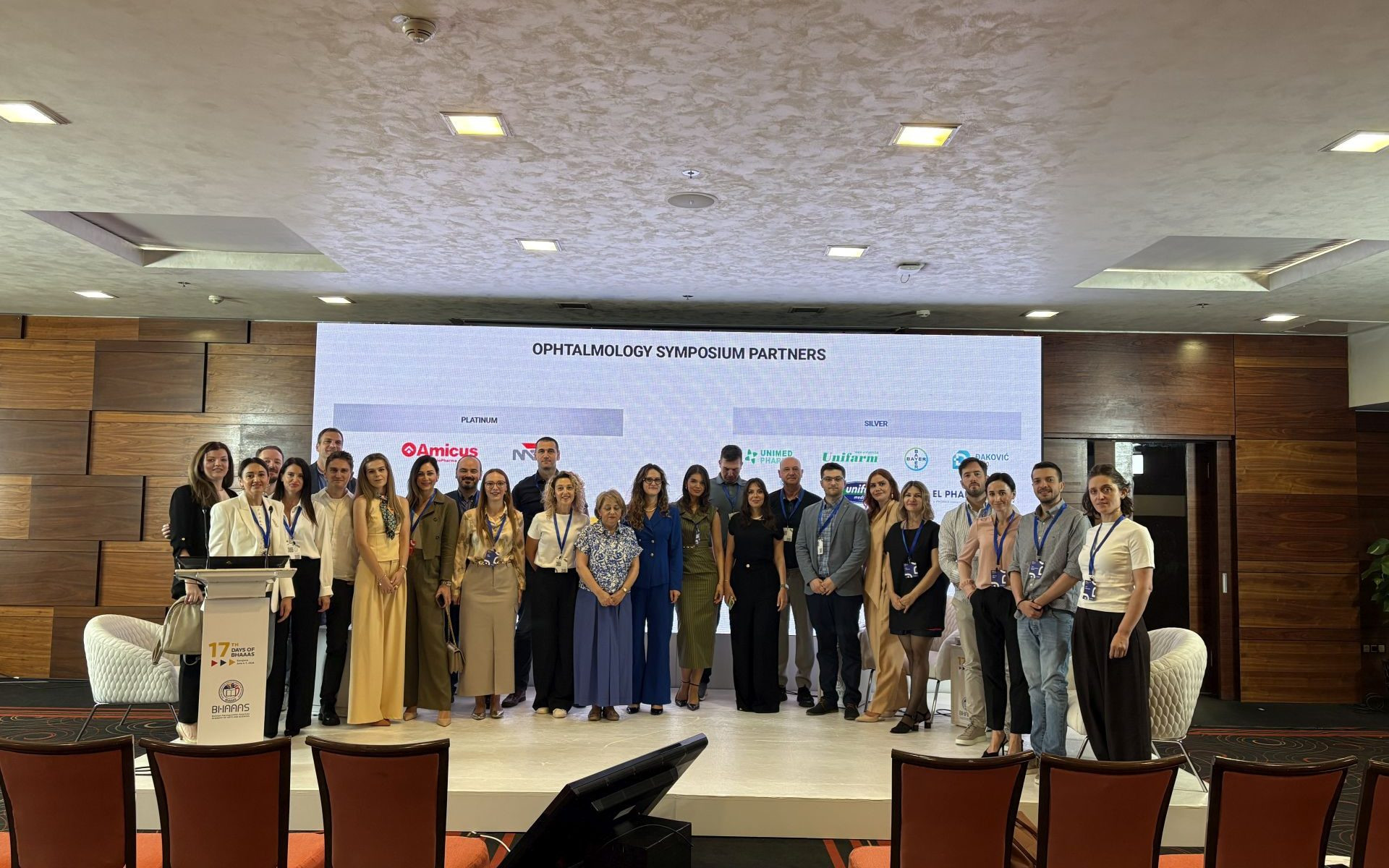
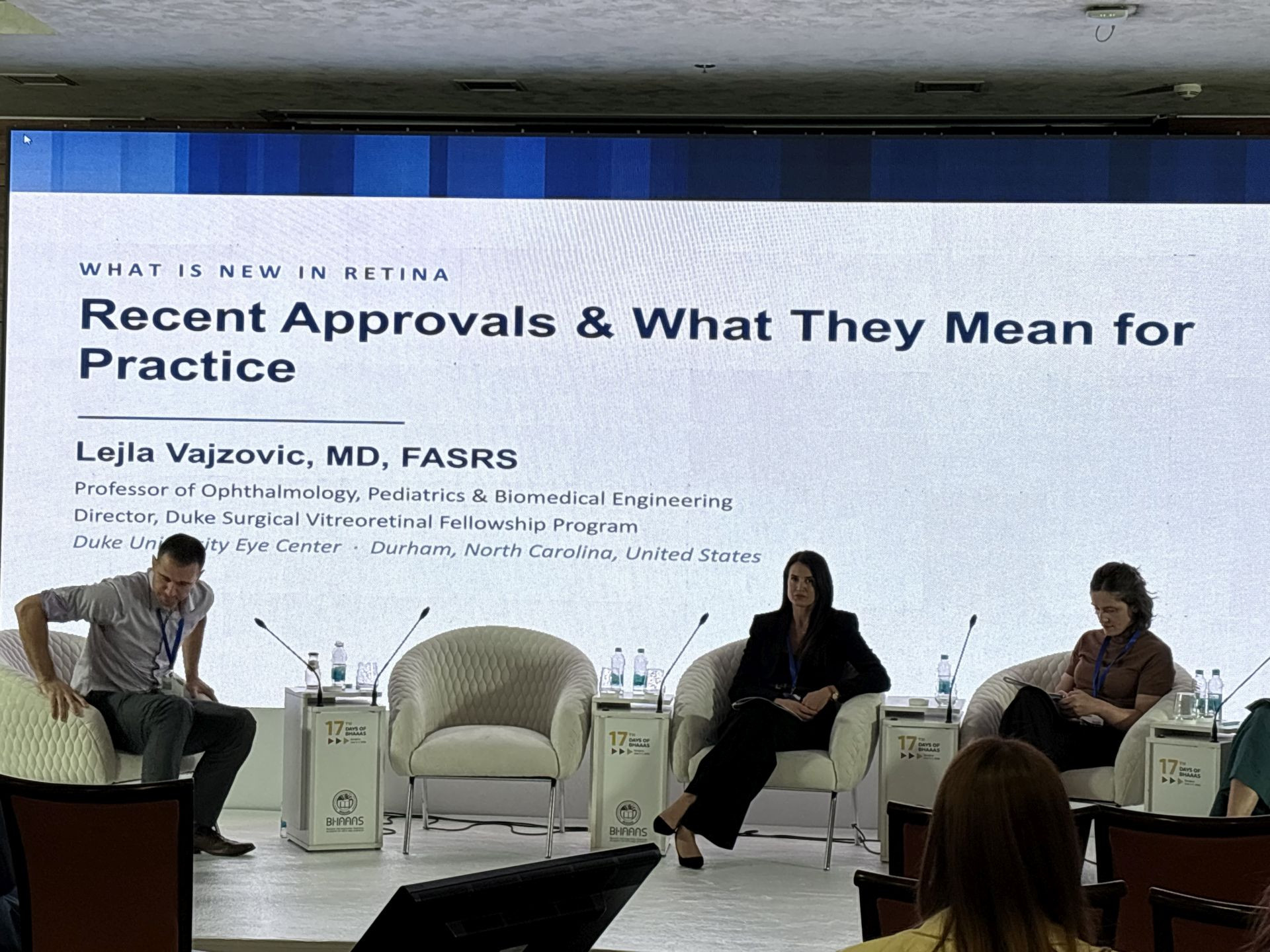
A special contribution to this year’s program was made by the 6th International Symposium in Ophthalmology, which brought together eminent experts from various fields of ophthalmology and offered a comprehensive two-day program dedicated to contemporary diagnostic and therapeutic approaches.
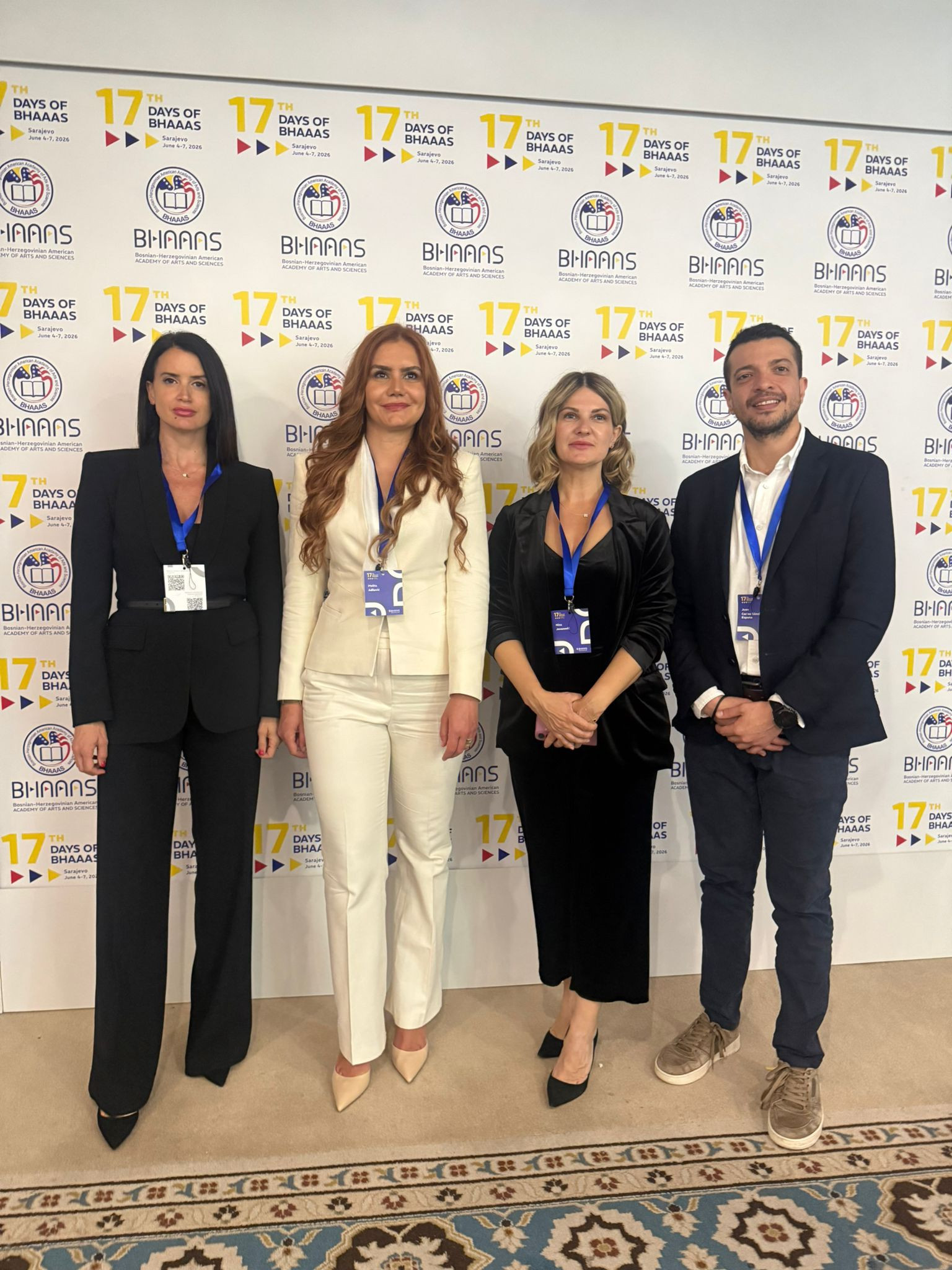
One of the symposium chairs, Dr. Melita Adilović-Čabrić from the Royal Ophthalmology Specialized Hospital in Doboj, says she left the 17th BHAAAS Days with exceptionally positive impressions, especially because of the continuous improvement in the quality of the scientific program, the growing number of international lecturers and the strong involvement of young physicians and researchers.
“It is precisely the combination of top-level science, open discussion and mutual networking that gives this gathering its special significance. When it comes to the Ophthalmology Symposium, I am especially pleased by its continuous development. Year after year, the program becomes richer, the topics more relevant and international cooperation increasingly intensive,” said Dr. Adilović-Čabrić.
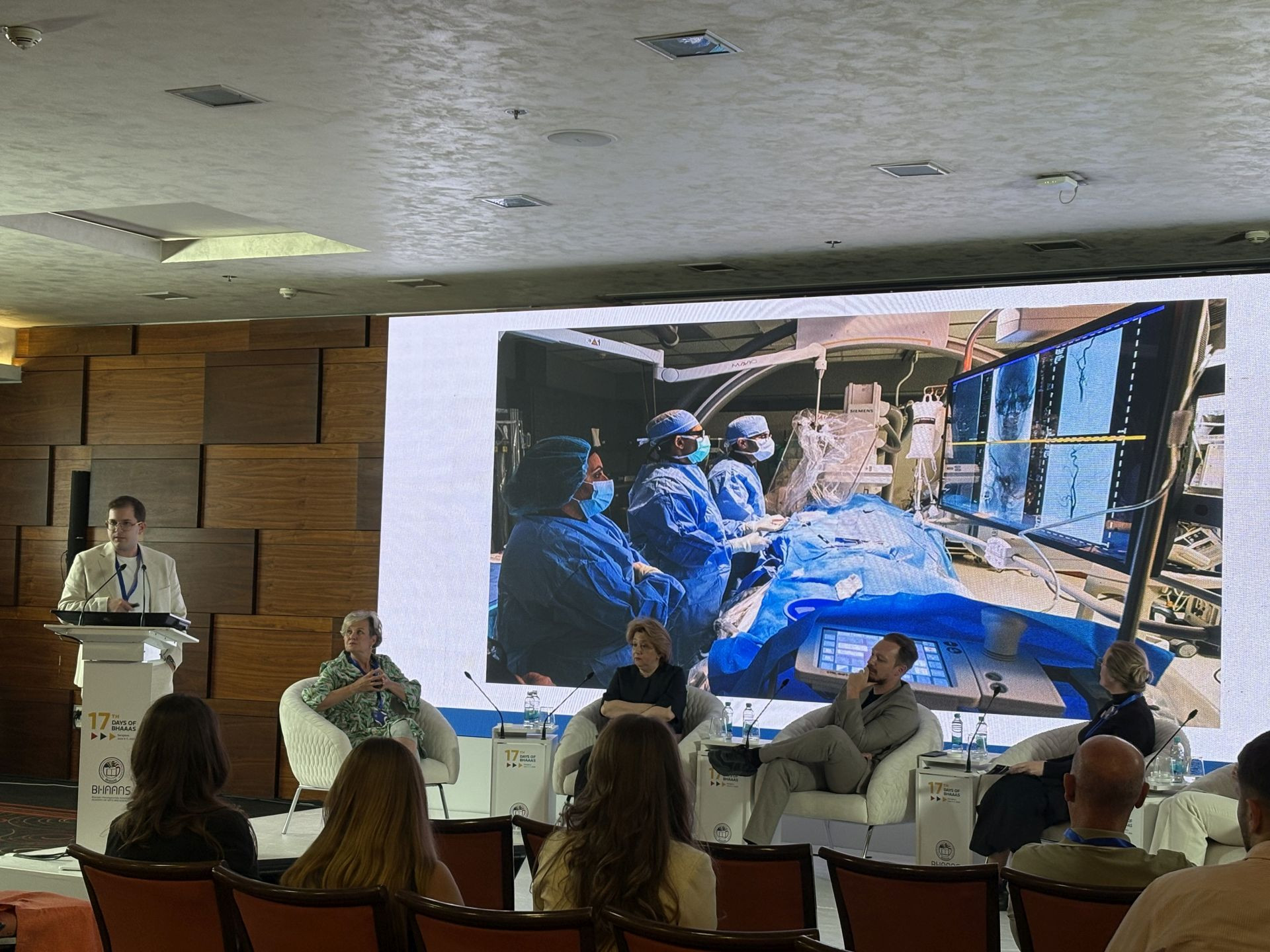
This year’s Ophthalmology Symposium focused not only on the exchange of theoretical knowledge, but also on practical education and the creation of concrete foundations for future joint projects. As part of the two-day program, a highly successful School of Ophthalmic Radiology was held, during which radiologists from Bosnia and Herzegovina, Austria and the United States, together with ophthalmologists, discussed radiological diagnostics and the treatment of ophthalmological cases. The program also included a School of Ocular Biometry with hands-on training, giving participants direct insight into modern working methods.
Dr. Adilović-Čabrić emphasizes that gatherings of this kind are particularly important because they enable contemporary achievements to find their place in everyday clinical practice more quickly.
“I believe that it is precisely through this kind of cooperation that we can most quickly transfer contemporary achievements into everyday work and, in that way, improve the quality of healthcare for our patients. That is why I leave each BHAAAS Days with the feeling that we have taken another step forward — not only in the scientific sense, but also in strengthening professional ties that bring long-term benefits to the entire medical community,” she said.
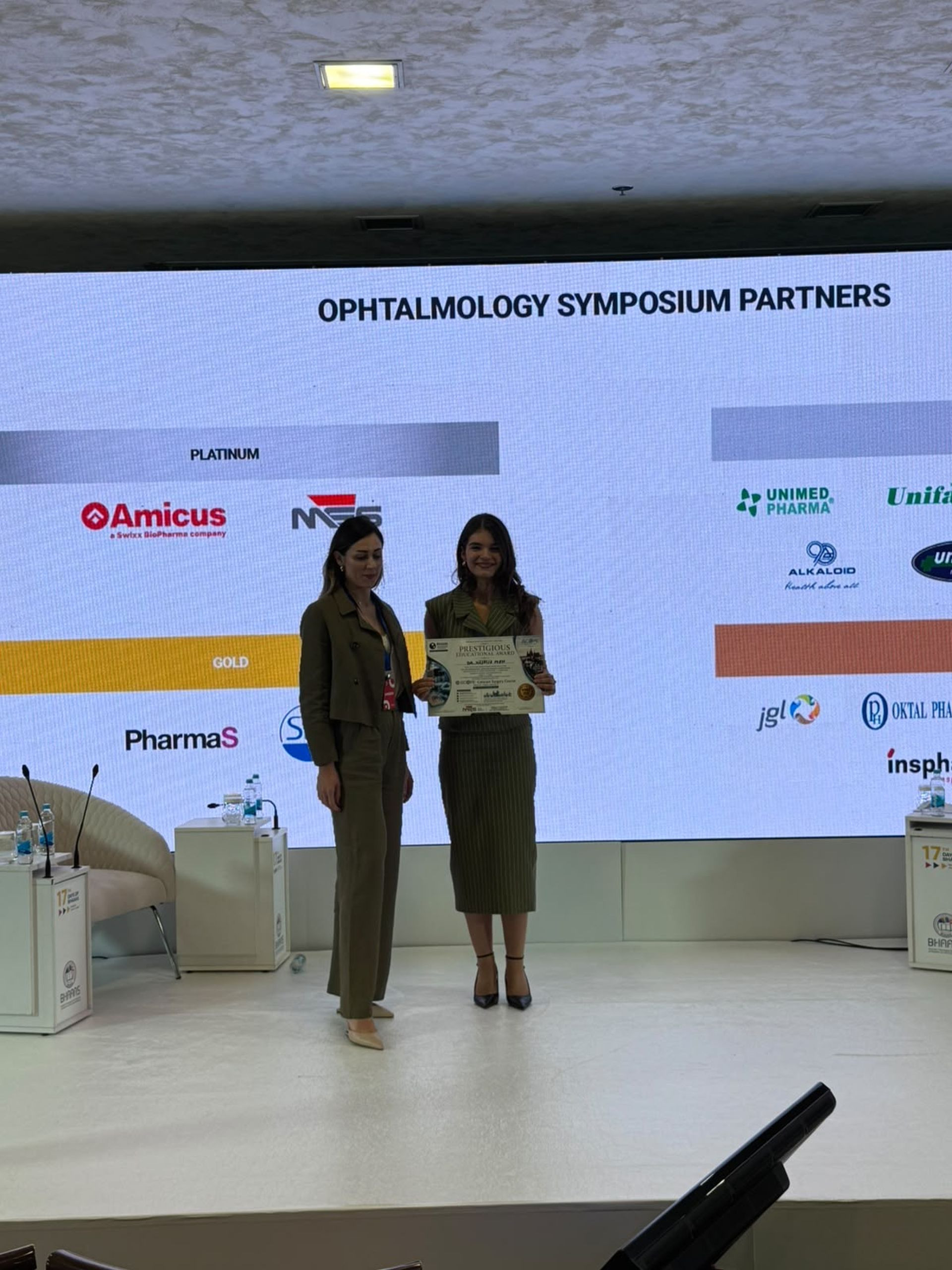
A special segment of the Ophthalmology Symposium was dedicated to young physicians. Through this year’s program, the professional development of a young doctor from Goražde was supported by enabling her to receive additional training in Prague. According to Dr. Adilović-Čabrić, investing in young physicians is one of the most important investments in the future of the healthcare system.
“Their professional development is not only an investment in the individual, but also in the quality of healthcare they will provide to their patients and the communities in which they work. This has been the guiding principle for us, the co-chairs, at this and every previous Ophthalmology Symposium, and it is precisely for this reason that we traditionally dedicate an entire day to young physicians,” she emphasized.
She adds that such opportunities open doors for young colleagues to new knowledge, modern working methods and international professional contacts, which are of exceptional importance for their further development. She believes it is the responsibility of more experienced physicians to share knowledge, serve as mentors and create opportunities for the new generation of experts.
“I believe that every generation should strive to create better conditions for the one that comes after it. If, through my experience, time and engagement, I can help young colleagues gain knowledge, contacts and experiences that may be more accessible to them than they were during my own specialization, I consider that a valuable investment in the future of our profession,” said Dr. Adilović-Čabrić.
Initiatives such as the Ophthalmology Symposium within BHAAAS Days are of multiple importance for the development of the profession in Bosnia and Herzegovina. They enable continuous knowledge exchange, access to the latest diagnostic and therapeutic achievements, and the establishment of professional collaborations that often grow into joint educational and scientific research projects.
As emphasized, medicine is developing extremely rapidly, and ophthalmology is a field in which new knowledge, technologies and working methods directly affect the quality of treatment and patient outcomes. That is why it is important for professional gatherings of this format not to remain only a meeting place, but to become a space from which concrete educational programs, mentorships and long-term collaborations emerge.
“In this way, we are not only developing individuals, but strengthening the entire ophthalmological community in Bosnia and Herzegovina. In the long term, this means higher-quality, more modern and more accessible healthcare for our patients, which is the ultimate goal of all our activities. Investing in knowledge, cooperation and young professionals is always an investment in the future of medicine,” concluded Dr. Adilović-Čabrić.
Her message to young physicians is to always strive for something greater, not to remain in a zone of routine and to experience medicine as a profession of continuous learning, growth and openness to new ideas and experiences.
“My message to young ophthalmologists is: see you next year at an even larger and more comprehensive Ophthalmology Symposium,” said Dr. Melita Adilović-Čabrić.
 English
 Bosanski